- Home
- Best quality dog food
- Toxic food for dogs
Toxic Food For Dogs...In Our Kitchen?
Is there such a thing as toxic food for dogs?
You may have thought Cockers could eat pretty much anything, but there are lots of potentially toxic items sitting innocently in our kitchen cupboards, many of which could so easily poison your dog!
Read on to discover exactly what they are.
Human Foods Toxic To Dogs
We love our Spaniels, and would never knowingly harm them, would we?
However, there are many every-day foods that are tasty and nutritious for us humans, but which are toxic food for dogs.
As loving Cocker Spaniel owners, there's nothing we like more than spoiling our pets with the occasional tit-bit of chicken or cheese.
Well they deserve it, don't they?
 Toxic Food For Dogs
However, you should be aware that not all human foods are safe for our pets; there are some that can cause serious illness, even death.
I don't mean to sound dramatic, or to be a 'scare monger', but I believe it's important to put things into perspective when it comes to the toxicity of certain foods and how they can affect your dog.
- In many cases, our pets would need to eat quite a large quantity of a toxic food before it had any real impact on them.
- Also bear in mind that some 'toxic' foods may not affect your dog immediately, but over a period of time they could accumulate in his system resulting in eventual illness.
- It's not only how much of the 'poisonous' food your pet eats that will have an impact on how he reacts, but also his size, his health, his age and whether or not he suffers from food allergies or a food intolerance.
- Puppies and older dogs may be more adversely affected by some of these foods.
Please bear all of the above in mind to help keep things in perspective when reading about these toxic food for dogs.
Dark Chocolate: Highly Toxic Food For Dogs!
Dogs like sweet things and once your pet has tasted chocolate it's very likely that he'll want more, but please don't underestimate the effect that chocolate can have on our pets.
It's one of the most toxic food for dogs and it can be lethal!
Even small amounts of (dark) chocolate could kill your pet!
That's because it contains theobromine, a naturally occurring stimulant found in the cocoa bean, but very poisonous to dogs.
Chocolate used for baking and dark chocolate are much more toxic than milk chocolate because they contain more cocoa solids, and consequently, more theobromine.
Symptoms Of Chocolate Poisoning
Theobromine can cause dehydration (by making your dog pee more), but it can also affect the central nervous system, as well as the heart.
As the theobromine is absorbed into the bloodstream, especially if your dog has managed to eat a lot of chocolate, other symptoms to watch out for are:
- an increase in heart rate,
- abdominal pain,
- vomiting and diarrhoea.
- seizures,
- restlessness and/or hyperactivity,
- panting,
- drooling,
- hypothermia,
- muscle tremors,
- coma,
- death.
Symptoms of chocolate poisoning can be slow to develop, so if you suspect your dog has accidentally eaten some, (you find some empty wrappers, for example) take your Spaniel to see his vet immediately.
Don't wait for the symptoms to show because death could follow within as little as 24 hours, depending on how much was eaten, the quality of the chocolate, and the size, age and health of your dog.
For obvious reasons, chocolate is even more dangerous to a tiny little puppy.
The only chocolate safe enough for our pets are the 'chocolate' drops specially formulated for dogs which are sold in good pet shops.
(Don't give him too many though, as they're really high in fat!).
Dairy Products Are Also Toxic Foods For Dogs
Believe it or not, similar to humans, some dogs are lactose intolerant!
Milk (and certain other dairy products) are also toxic food for dogs and can cause serious diarrhoea and other general tummy upsets. Diary foods shouldn't be fed to dogs, and especially not to puppies, although a little yogurt or cottage cheese in their diet won't hurt.
Many dairy products are also high in fat, so I recommend keeping them to a minimum to reduce the chances of your dog becoming overweight.
Alcohol: Toxic Food For Dogs
We all enjoy the occasional alcoholic drink; a G&T, a glass of wine or a bottle of beer, but we're also aware that too much of it can act as a slow poison.
Alcoholic drinks can also be poisonous to dogs. At best, your dog will act as though drunk, but in extreme cases, it can cause liver failure, seizures, coma and even death.
Don't take the risk. If you're planning a party, or having friends round for a drink, make sure unfinished drinks are cleared away and any bottles of alcohol are safely stored afterwards.
Sometimes people and alcohol don't mix, but dogs and alcohol certainly don't mix!
Avocado Is A Toxic Food For Dogs
All parts of the avocado (the fruit, skin, stone, and leaves) are toxic for our dogs and can cause a great deal of discomfort if eaten.
If your Cocker Spaniel managed to find and eat any part of an avocado, and depending upon how much he ate, it could cause fluid on his lungs and severe breathing difficulties.
Toxic Food to Dogs: Onions And Garlic
Onions and garlic can be poisonous for our pets if eaten in large quantities.
Both contain the toxin thiosulphate which can lead to haemolytic anaemia in your dog which causes red blood cells to burst resulting in a reduced oxygen supply to the dog's vital organs.
Symptoms may include liver damage, vomiting, diarrhoea, laboured breathing and discoloured urine from the burst blood cells.
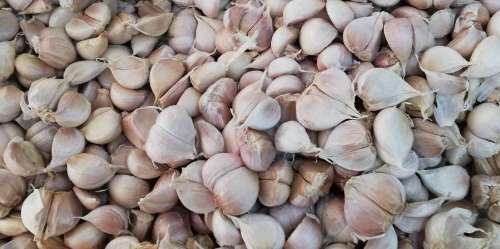 Garlic is bad for dogs
You may be surprised to find that onions are added to many dog foods, either in powdered or dry form.
Conversely, it's said that a small amount of garlic is good for your pet as it can act as a natural flea repellent and we've seen it listed as an ingredient in many dog biscuit recipes.
I'm happy to give Max some home-made snacks containing small amounts of garlic, however, if you're in any doubt about feeding garlic (or onion) to your dog, I recommend you speak to your vet and ask his or her opinion.
Baby Food Can Be A Toxic Food For Dogs
Many dog biscuit recipes include baby food which sometimes contains powdered onion, so it pays to check the ingredients label. There are recipes on this site which list a jar of baby food in the ingredients, but I think such a small amount as this probably won't harm your Cocker Spaniel.
If you're going to use baby food in dog biscuit recipes, or home made dog food recipes, and you don't want to feed your dog onion, check the ingredients label.
It's sensible to bear in mind that it would take large doses of onion powder to make your dog ill, so it's probably safe to use in such small quantities.
However, if you are concerned about this, why not seek reassurance from your vet and put your mind at ease?
Toxic Foods for Dogs: Brewing Hops
Used hops from home brewing kits are also toxic foods for dogs and can be fatal if eaten.
Hops can cause panting, high temperature, increased heart rate, and seizures.
If you're a home-brewing enthusiast it makes sense to keep the kit away from animals, and used hops should always be disposed of very carefully to avoid accidents.
I've seen owners feed their dogs the dregs from their beer cans. I know I shouldn't judge, but I don't think that responsible pet ownership!
Broccoli: Toxic Foods For Dogs
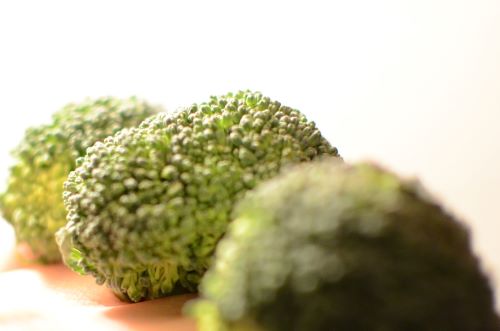 Broccoli in small doses only!
Although broccoli is very good for us humans, it's said to be fairly toxic to dogs, but again, only if fed in very large quantities.
I often give our Cocker a couple of small florets of broccoli if there's any left over from dinner. I mix it in with his kibble.
It doesn't seem to do him any harm and he really enjoys it, especially with a bit of gravy!
Bones: Not A Poison, But Still Dangerous!
Whilst fish and meat bones aren't poisonous, they can be hazardous.
I'd never recommend giving your dog cooked bones, especially chicken bones, as they're usually much more brittle than uncooked bones and could splinter and choke your dog.
Sharp or splintered bones can also cause considerable damage to your dog's digestive system and his intestines.
If you want to give your dog a bone, ask your local butcher for one. He'll know which are safe for your pet.
Cat Food Is For Cats!
As cat food contains a high proportion of protein and fats, it makes it a particularly toxic food for dogs, especially when fed over a long period of time.
Any diet containing too much fat can cause pancreatic problems.
Raw Eggs
Raw eggs are another toxic food for dogs.
Apart from the risk of salmonella poisoning, raw egg contains avidin which is an enzyme that makes it more difficult for your dog to absorb vitamin B.
A deficiency in vitamin B often results in a dull and lifeless coat and can cause skin problems too.
However, eggs are a good source of protein for your dog, so if you're planning to give him the occasional egg in his diet, make sure it's cooked!
Fatty Foods Can Cause Pancreatitis
Most dogs, including our Cockers, love fatty foods and will root through the rubbish bins in the hope of finding a tasty morsel or two.
Sometime they may even 'steal' leftovers from our dinner plates the minute our back is turned!
But let's face it, too much fat in our Spaniel's diet will not only make him fat, but it can cause pancreatitis, which can be a life-threatening condition.
If your Cocker Spaniel is a little overweight and you'd like to help him lose a little fat, cut out the treats, reduce his food intake a little and increase his exercise by an hour or two each week (I recommend you do this gradually, especially if you have a senior dog).
If you'd like more information on how to help an overweight dog, follow this link.
A normal healthy pancreas produces enzymes to help digest fat, but in a high-fat diet the pancreas produces too many enzymes, causing the pancreas to become swollen and inflamed.
Cocker Spaniels are especially prone to pancreatic problems and symptoms often include vomiting, diarrhoea and abdominal pain.
Pancreatitis (and obesity) can easily be avoided by removing excess fat from your dog's diet. Don't feed him fatty foods such as chicken skin, fatty meats, cakes and biscuits, or leftovers, and make sure those rubbish bins are securely fastened!
Please be aware of just how much fat you feed your Cocker, and watch those fatty food scraps given from the table: the rind and fat from bacon; ham; or cheese. I'm sure you've often heard the phrase, 'killing him with kindness'.....?
Well that certainly applies here!
Is Fish (Raw) A Toxic Food For Dogs?
Yes. Let me explain.
Raw fish (especially salmon) can carry a parasite called flukes.
When eaten, the flukes attach themselves to the dog's intestines where they introduce harmful bacteria into the dog's bloodstream.
Symptoms of poisoning are vomiting, diarrhoea, dehydration, and a general lack of well-being.
Raw fish can also result in a thiamine deficiency (a type of vitamin B) leading to loss of appetite, seizures, and in very severe cases, death, especially where raw fish is eaten quite regularly.
Fish is good for your dog, it's high in omega oils and low in fat. Fortunately, the cooking process kills any bacteria that may be present so, as long as the fish is cooked, you can safely feed it to your pet.
Max loves salmon. I usually cook it with Cajun spices, but I always keep a little unseasoned to one side as a treat for him.
Macadamia Nuts: Another Toxic Food For Dogs
Please don't feed your dog macadamia nuts and if you have them in the house, make sure your Cocker can't get at them.
They contain high levels of phosphorus and can affect the digestive and nervous system causing serious tremors and paralysis of the hind legs.
These symptoms are only temporary. The paralysis will eventually right itself over a couple of days, but the experience can cause extreme distress to your Cocker Spaniel.
Can Fruit Be Toxic To My Dog?
Yes, it can.
Even though fruit is good for us, grapes and raisins are a particularly toxic food to dogs and should never be included in their diet as they can damage their kidneys.
Even a small handful can cause illness and it doesn't matter which kind of grape, or colour, the effect is still the same.
The function of the kidneys is to remove toxins from the body, so if the kidneys are damaged and malfunctioning, it will cause a build-up of toxins, which could lead to renal failure and in extreme cases, eventual death.
Symptoms may include vomiting, diarrhoea, abdominal pain, lethargy and a reduction in urinating.
Some citrus fruits, such as oranges, limes or lemons are not good for your dog as they can cause severe digestive pain and vomiting if eaten.
However, I find it highly unlikely that any dog would want to eat any of these - Max won't go anywhere near a piece of orange, never mind lime or lemons!
There are many fruit pips, stones, and seeds that can be harmful to dogs so if your Cocker enjoys the occasional piece of apple or pear, make sure you remove the pips first.
Make sure you keep the fruit bowl out of reach!
Too Much Liver Can Be Harmful
Whilst liver is not poisonous to dogs, too much liver in your dog's diet is said to produce an excess of Vitamin A, which can adversely affect muscles and bones.
Liver treats are available in the form of dried morsels or tablet form. (Always check the manufacturer's label as it will often limit the number of treats you can give your dog per day). Used carefully, liver treats can be a great aid when training a puppy!
Our Cocker Spaniel loves liver and will do almost anything for it, but as it's on our toxic food for dogs list, he only gets it as a rare treat.
Moldy or Spoiled Food
We normally associate food poisoning with humans but, believe it or not, it's also fairly common in dogs.
Dogs being dogs, they will rummage in dustbins and love to forage when out in the woods or fields, especially if they're hungry...and when are they not hungry?
Foraging outdoors, they may come across decomposing animals and/or rotten food and could pick up harmful bacteria, such as salmonella and e-coli, and end up with a bad case of food poisoning.
If your dog is unlucky enough to get food poisoning, you may see symptoms such as vomiting, abdominal pain, and diarrhoea.
As a general rule these symptoms may only last a couple of days unless he develops a bacterial infection.
This may seem a fairly obvious statement, but spoiled food shouldn't be given to your dog. If the food is passed its sell-by date and it's not safe enough for humans, then it's not safe for dogs.
Take care, and keep a tight lid on kitchen and outdoor garbage bins!
Wild Mushrooms are a Toxic Food for Dogs
Please note, not all mushrooms are classed as toxic food for dogs. I often give Max leftover casserole (with mushrooms) as a base for his next meal. I chop in some fresh vegetables, some meat and a little brown rice and that usually lasts him a couple of days.
Not all wild mushrooms are poisonous and the more discerning of us can tell the difference between those you can safely eat and those that you can't.
Unfortunately, our Cockers aren't as discerning as us and probably won't know the difference.
Certain wild mushrooms contain toxins that can cause a range of symptoms varying from a mild sickness to serious illness or even death.
Specific symptoms of mushroom poisoning in dogs include drooling, acute abdominal pain, kidney and liver damage, sickness and diarrhoea, seizures, and death.
With this in mind, keep a watchful eye on your Cocker Spaniel when out in the woods to ensure he doesn't accidentally eat poisonous mushrooms.
Check to make sure there are no wild mushrooms growing in your lawn or lurking in your garden. If you do find any, remove them to be on the safe side.
Is Nutmeg Bad For Our Pets?
Nutmeg may not be a poison in the strictest sense of the word, but it can seriously affect your dog's central nervous system and can cause seizures and tremors.
Peanuts: Toxic Food For Dogs?
In the same way that peanuts can trigger an allergy in humans, it can also cause a serious reaction in dogs. It's best not to give your dogs peanuts anyway as they're high in salt and fat.
Persimmon Seeds
Persimmon seeds can cause a blockage in the intestines and may also cause enteritis.
Potato Peelings: Toxic Food For Dogs
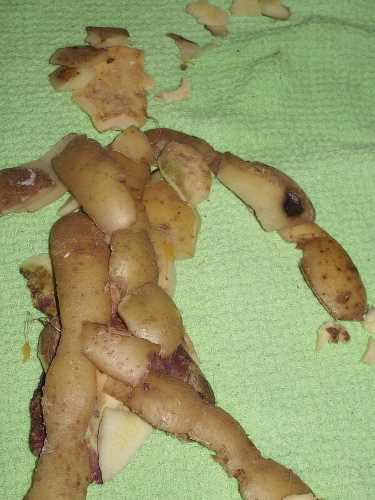 Potato Man!
Whilst potatoes can be good for your Cocker (preferably cooked, but a few cubes of raw white potato should be okay for your dog) green potatoes and potato peelings are certainly not.
They contain high levels of solanine which can affect your dog's nervous system as well as causing digestive and urinary problems.
To keep things in perspective, not many dogs have potato peelings high up on their list of luxury foods, so incidents of dogs poisoned by potato peelings are rare!
All the same, it's good to be aware of what foods can be harmful to your Cocker Spaniel!
If you'd like to learn more about green potato poisoning this site has it covered well.
Rhubarb Leaves
Rhubarb leaves also contain oxalates (which are toxic both humans and to dogs) and can affect the nervous, urinary, and digestive systems.
Salt: Toxic Food For Dogs
Salt should be kept to a minimum in your dog's diet because too much of it can cause muscle spasm and seizures, dehydration, loss of appetite and can even cause heart and kidney problems.
Processed human foods are very often quite high in salt. You may not be able to taste it, but I promise you it's there. Isn't that a good enough reason not to feed processed food and table scraps to your Cocker Spaniel?
Regardless of your dog's salt intake, it's important that he has access to water and that his bowl is topped up with fresh water each day, especially when it's a warm day.
Are Tomatoes Toxic Food For Dogs?
Juicy red tomatoes are good for you aren't they?
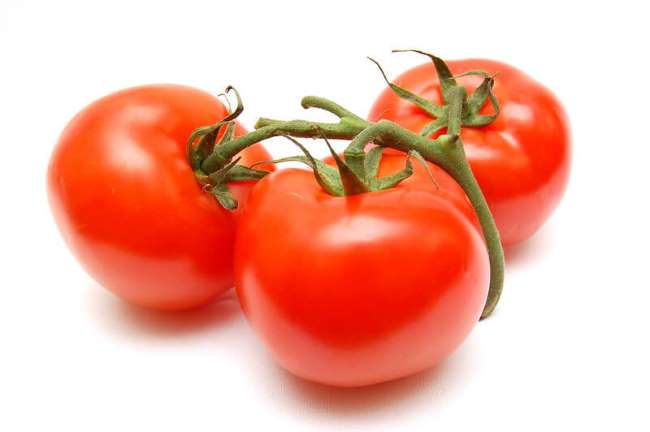 Shiny red tomatoes on the vine
Yes, they are and they won't hurt your dog either.
However, green tomatoes, their leaves and stems contain atropine which can cause excessive drooling, vomiting, and diarrhoea if eaten by our dogs.
More serious symptoms are tremors, seizures, and a decreased heart rate.
It's interesting to note that the potato and the rhubarb plant can have similar effects as the tomato plant; they're all a potentially toxic food for dogs.
Keep tomato plants safely locked away in the greenhouse!
Sugar May Not Be A Toxic Food For Dogs But...
Whilst sugar may not be very poisonous to dogs, too much of it in their diet can cause health problems such as tooth decay, obesity, and can also play a part in the onset of diabetes mellitus.
A nutritional Cocker Spaniel diet will contain enough natural sugars to satisfy your dog's needs. So if you don't want your dog to develop diabetes, don't feed him sugary sweets, cakes or biscuits.
It's as simple as that!
Sugar-Free Sweets
And while we're on the subject of sweet things, artificial sweeteners, such as Xylitol, is potentially another very toxic food for dogs. It's believed to cause liver damage and if eaten in excessive quantities, even death.
If there are any children in the household, make sure they don't leave their sweets where inquisitive Cockers can easily get at them and discourage the children from feeding sweets and especially chocolate, to the family pet.
Avoid sugar-free sweets at all costs!
Tea And Coffee
I don't know of any owners who give their dog tea and coffee, however, you never know!
Neither of these beverages are good for your dog as they both contain caffeine and a substance called xanthine, which is similar to theobromine found in chocolate. (Caffeine can also be found in many soft drinks.)
Symptoms are similar to chocolate poisoning so it's best to avoid.
Yeast/Bread Dough Is A Toxic Food For Dogs
If you regularly bake your own bread, you'll know that the dough will expand to at least twice its original size in a short space of time.
If your pooch manages to get hold of bread dough while it's proving (and he eats it) it will swell causing his stomach to 'bloat', giving him terrible wind and considerable pain and discomfort.
In addition, the yeast in the dough causes a fermentation process which produces alcohol and could cause alcohol poisoning.
In some cases, it could even rupture your dog's stomach or intestines, so play it safe and keep dough out of reach curious, ever-hungry pets!
Toxic Foods For Dogs: Summary
We all know it's tempting to give in to your dog's appealing eyes at dinner time but think twice, you could be killing him with your kindness!
Although this list of toxic food for dogs is fairly comprehensive, it's certainly not exhaustive.
And it's not just certain foods that we need to be wary of.
If you think your Cocker may have eaten one of our blacklisted foods or plants, please don't waste any time, get in touch with your vet immediately for advice!
There are many house and garden plants that may be harmful to your dog, so keep an eye on him when he's in the garden to ensure he stays away from poisonous plants!
Don't feed your Cocker anything you wouldn't eat yourself. If the food past its sell-by date and you wouldn't eat it yourself, then it's not good enough for your pet.
If you want to treat your Cocker Spaniel, you can reward him the occasional morsel of chopped liver (which my Cocker adores) or chicken, a doggie chocolate drop, or a training treat.
Also please remember the caveat I gave you earlier. Most of these ingredients are only toxic to your dog if eaten in fairly substantial quantities. If you are in any doubt about what you can or
can't feed your Cocker Spaniel, why not have a chat with your vet?
Related Titles in the Dog Poisoning Articles
Many innocent-looking household sprays can lead to accidental poisoning of your dog.
Learn about dangerous household chemicals and toxins that can so easily poison your best friend!
Photo Credits: Toxic Food for Dogs
1. Skull - unknown
2. Flickr.com - no copyright - https://www.flickr.com/photos/j0035002_2/48917047613
3. Sammydavisdog at Flickr.com https://www.flickr.com/photos/25559122@N06/6938970388
4. SmabsSputzer-https://www.flickr.com/photos/10413717@N08/4304422239
5. Vladimir Morozov-https://www.flickr.com/photos/27429206@N02/2694720316
Recent Articles


-
Want to train your dog to come back to you immediately? Learn how here
Apr 12, 24 12:36 PM
 Teaching your puppy recall is one of the most important things you will ever teach your Cocker. Learn how to train your dog to come back when called.
 -
Want to know how to train a Cocker Spaniel to drop his ball?
Apr 12, 24 12:25 PM
 Train a Cocker Spaniel to let go of whatever's in his mouth, without hesitation, and you won't regret it. This is an excellent command to teach your puppy!
 -
Puppy obedience training can help keep your new puppy safe!
Apr 12, 24 12:13 PM
 Giving your puppy obedience training, such as sit, stay, wait, come etc., will help you to shape a well-behaved puppy and will also help to keep him safe.